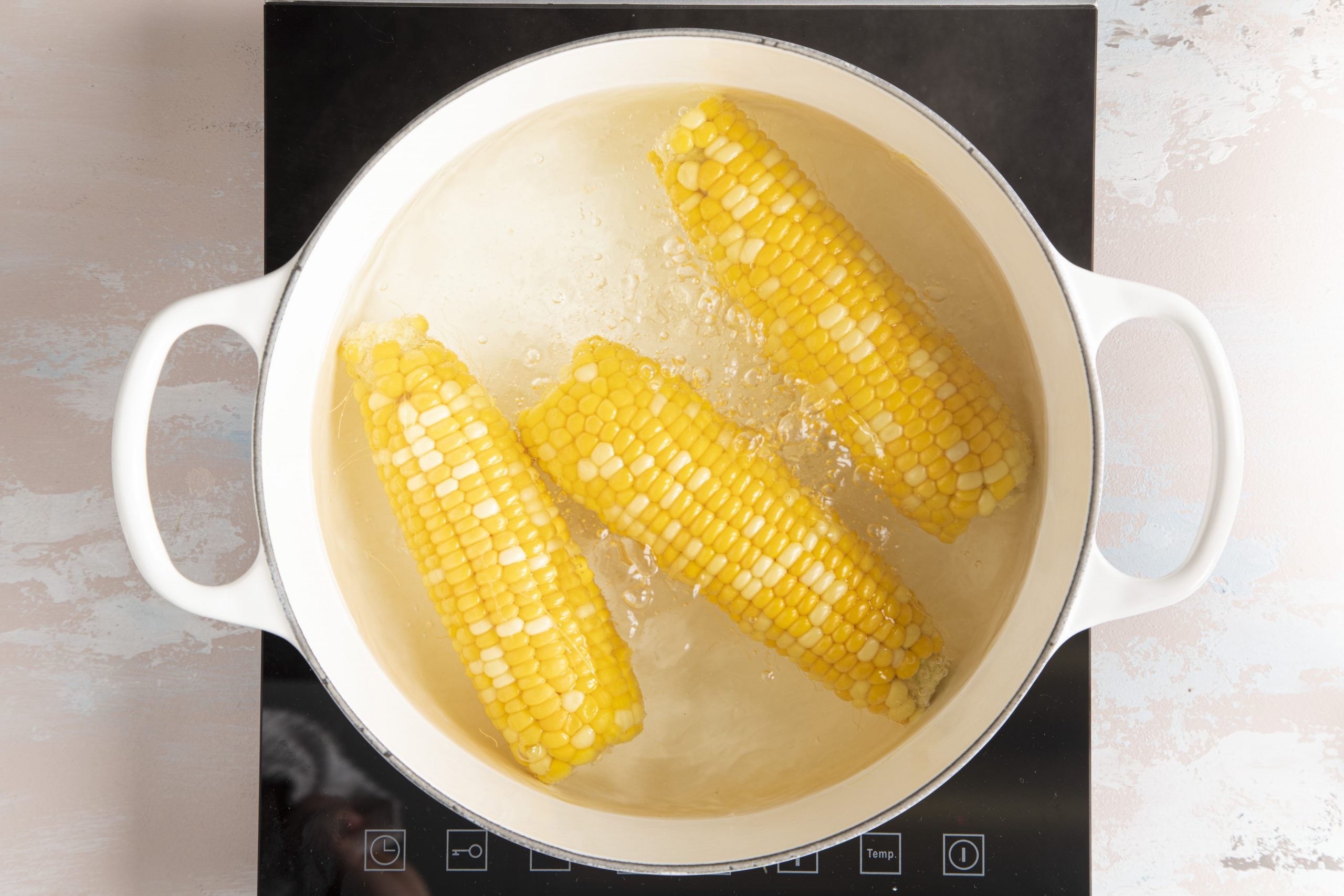
Master Crisp Corn on the Cob: No More Mushy Results
There's a simple, undeniable truth when it comes to summer dining: nothing beats a perfectly cooked ear of corn on the cob. Its sweet, juicy kernels, with just the right amount of crunch, evoke sunshine, backyard barbecues, and lazy evenings. Yet, for many, the dream of that ideal bite is often dashed by an all-too-common culinary crime: mushy corn. If you've ever wondered how to boil corn on the cob recipe that guarantees perfection every single time, you've come to the right place. Say goodbye to soft, waterlogged kernels and hello to the crisp, vibrant sweetness you deserve. Boiling corn might seem like a basic kitchen task, but getting it *just right* is a skill that elevates a simple side dish into a star. Forget lengthy cooking times and complicated additions; the secret to irresistible corn on the cob lies in a surprisingly simple, almost minimalist approach. We're here to share the foolproof method that will make you a corn-boiling maestro, ensuring your ears are tender, sweet, and wonderfully crisp. This isn't just about cooking; it's about honoring the natural deliciousness of fresh summer corn. If you're looking for a Foolproof Guide to Perfect Boiled Corn on the Cob, you've found it!The Science of Crisp: Why Your Corn Gets Mushy (and How to Prevent It)
Before we dive into the steps, let's understand the enemy: mushiness. Many people believe that corn needs to be boiled for a long time to become tender. This couldn't be further from the truth, especially with fresh sweet corn. Modern sweet corn varieties are bred to be incredibly tender and sweet right off the stalk. The moment corn is picked, its natural sugars begin to convert into starch. While this process is slow, prolonged cooking accelerates the breakdown of cell walls and sugar structures, leading to that undesirable soft, mealy texture. The key insight, often discovered through happy accident, is that fresh sweet corn requires very little actual "cooking." What we're primarily doing is heating it through and slightly softening the fibers, not breaking them down entirely. Overcooking extracts too much moisture, diminishes flavor, and ruins the texture. Think of it like a quick blanch rather than a long simmer. This understanding is the foundation of our perfect how to boil corn on the cob recipe. Another common misconception is adding sugar or milk to the boiling water to enhance sweetness or tenderness. While these methods exist and have their proponents, for truly crisp corn, they are often unnecessary and can even be detrimental. Fresh corn, especially when in season, is naturally sweet. Adding sugar can sometimes mask its natural flavor, and milk can alter the texture. Our focus here is on letting the corn's inherent goodness shine through with minimal intervention.Your Foolproof How to Boil Corn on the Cob Recipe: Step-by-Step Perfection
Ready to transform your corn-boiling game? Follow these precise steps for corn that’s consistently crisp, sweet, and utterly delightful. This detailed how to boil corn on the cob recipe prioritizes speed and simplicity for maximum flavor and texture.Ingredients & Equipment:
- 4-8 ears of fresh sweet corn
- Large pot (big enough to submerge all corn)
- Tongs for easy removal
- Optional: Salt (to add after cooking)
Preparation:
- Choose Wisely: Start with the freshest corn you can find. Look for ears with bright green husks, moist (not dry or brittle) silk, and firm, plump kernels when gently squeezed through the husk. Freshness is paramount for naturally sweet and crisp results.
- Shuck the Corn: Peel back the husks and remove all the silk. A good trick for stubborn silk is to rub the ear with a damp paper towel or use a clean vegetable brush. You can also try microwaving the corn for a minute before shucking – the husks and silk often slide right off.
The Boiling Process:
- Fill and Boil: Fill your large pot about two-thirds full with water. Place it on high heat and bring it to a rolling boil. *Important:* Do not add corn until the water is vigorously boiling. For optimal crispness, we generally advise against adding salt or sugar to the boiling water, as it can sometimes toughen the kernels or alter the natural sweetness. If you prefer a seasoned flavor, you can always add salt after cooking.
- Add the Corn: Once the water is at a full, rapid boil, carefully add the shucked ears of corn to the pot using tongs. Make sure they are fully submerged. If you have too many ears for your pot, boil them in batches to maintain water temperature.
- Cover and Cook (Briefly!): Once the corn is in the water, cover the pot. This helps the water return to a boil faster. As soon as the water returns to a rolling boil, set your timer.
- For super sweet, very fresh corn (often labeled "super sweet" varieties), boil for just 2-3 minutes.
- For standard sweet corn, boil for 3-5 minutes.
- Remove Immediately: As soon as the timer goes off, promptly remove the corn from the boiling water using tongs. Do not let it sit in the hot water, as it will continue to cook and lose its crispness.
- Serve and Enjoy: Transfer the hot corn to a serving platter. This is where you can add your favorite toppings! A pat of butter, a sprinkle of salt, a squeeze of lime, or a dash of chili powder are classic choices. For a truly Easy Boiled Corn: Sweet Summer Treat in Minutes, this method is unbeatable.
Beyond the Basics: Elevating Your Corn Experience
While our core how to boil corn on the cob recipe is incredibly simple, there are always ways to enhance the experience and troubleshoot common issues.Choosing the Best Ears:
- Field Observation: When possible, buy corn from local farmers' markets. The shorter the time from field to pot, the sweeter and crisper your corn will be.
- Husks & Silk: Beyond green husks and moist silk, check the bottom of the ear where the stalk was cut. It should be moist and not dried out.
- Kernel Feel: Gently squeeze the ear through the husk. The kernels should feel plump and firm, not soft or shriveled.
Storage Tips for Freshness:
If you can't cook your corn immediately, store it in the refrigerator. Keep the husks on, as they act as natural protection against moisture loss. Place the ears in a plastic bag to further slow down the conversion of sugar to starch. Aim to cook within 1-2 days for optimal sweetness and crispness.
Creative Serving Ideas:
While butter and salt are timeless, don't be afraid to experiment!
- Herby Butter: Mix softened butter with fresh chopped herbs like chives, parsley, or cilantro.
- Spicy Kick: A squeeze of lime juice, a sprinkle of chili powder, and a dash of cayenne pepper.
- Cheesy Delight: A sprinkle of grated Parmesan or Cotija cheese.
- Mexican Street Corn (Elote-inspired): A smear of mayonnaise, a sprinkle of Cotija cheese, chili powder, and a squeeze of lime.
Troubleshooting Common Issues:
- Corn isn't sweet: This almost always points to freshness. The longer corn sits after being picked, the more its sugars convert to starch. Try to buy and cook corn the same day if possible.
- Still a little tough: If after 5 minutes your corn is still tougher than you prefer, it might be an older variety or simply not as tender. You can extend cooking by another minute or two, but be mindful of mushiness. Sometimes, tough corn just isn't salvageable for a truly crisp texture.
